





Glass & glazing Blog
Flat Roof Skylights: Sizes, Prices & What to Know Before You Buy
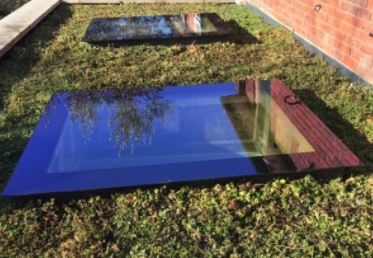
Adding a flat roof skylight can completely transform dark extensions, kitchen diners, and loft spaces by flooding them with natural light. But with so many sizes, glass options, and price points available, choosing the right skylight can feel overwhelming. The good news is: once you understand the common sizing options and what actually impacts performance and cost, it becomes much easier to buy with confidence. This guide covers standard flat roof skylight sizes, glass types, price factors, and key installation considerations—so you can make the right decision for your project the first time.
Standard Flat Roof Skylight Sizes
When people search for flat roof skylight sizes, they’re usually trying to match a skylight to an existing roof opening (or to plan an opening that fits an “off-the-shelf” unit). Most flat roof skylights are available in standard sizes designed to suit common residential layouts and roof structures.
The most popular square sizes include:
- 600mm x 600mm — ideal for smaller spaces such as bathrooms, hallways, and landings
- 800mm x 800mm — a popular choice for kitchens, utility rooms, and small extensions
- 1000mm x 1000mm — excellent for living areas, open-plan spaces, and larger extensions
- 1200mm x 1200mm — maximum daylight impact for big rooms and dramatic results
Rectangular skylights are also very common, especially where you want light spread across a longer area (for example, above a kitchen run or dining table). Popular rectangular options include:
- 600mm x 900mm
- 800mm x 1200mm
- 1000mm x 1500mm
If your roof opening doesn’t match these dimensions—or you’re aiming for a specific design—bespoke sizes are also available. At MyColourGlass, we can manufacture skylights to your exact specifications—simply provide your measurements when requesting a quote, and we’ll advise the best way to achieve a perfect fit.
Tip: always confirm whether the listed skylight size refers to the overall external frame size or the structural opening size (they’re not always the same).
Types of Glass (and Why It Matters)
The glass specification you choose directly affects thermal efficiency, comfort, safety, and even how the skylight looks from inside and outside. For flat roof skylights, glass quality is a big deal because these units sit horizontally (or near-horizontally), which increases exposure to weather, debris, and solar gain.
Here are the most common glass options:
- Double glazed — the standard option with strong all-round performance. Many modern double-glazed units achieve a U-value around 1.2 W/m²K (spec varies by manufacturer).
- Triple glazed — superior insulation and comfort, especially helpful for energy efficiency and reducing heat loss. Typical performance can reach U-values around 0.8 W/m²K (depending on build-up).
- Self-cleaning glass — a special coating helps break down organic dirt using UV light, so rainfall washes it away more easily. Great for skylights that are hard to reach.
- Tinted glass — reduces glare and solar heat gain. Common tint options include grey, bronze, and blue.
- Low-E coating — reflects heat back into the room in winter, helping improve energy efficiency without sacrificing light.
Safety note: flat roof skylights should be manufactured with appropriate safety glass. In most cases, that means toughened and laminated glass (often as part of an insulated glass unit). Laminated glass is especially important because it helps hold together if the glass is impacted.
What Affects the Price?
Flat roof skylight prices can vary widely—and it’s not just about the size. If you’re budgeting, it helps to understand what actually drives cost so you can choose the best value specification for your needs.
Key price factors include:
- Size — larger skylights use more glass and heavier frames, which increases cost.
- Glass specification — triple glazing usually costs more than double glazing; specialist options like self-cleaning and tints add to the price.
- Frame material — common options include aluminium, uPVC, and timber, each with different cost and performance profiles.
- Opening mechanism — fixed units are typically the most affordable; manual opening costs more; electric opening (including rain sensors) is usually the premium option.
- Brand — premium brands often charge more for design, warranties, and performance ratings.
If you’re comparing quotes, make sure you’re comparing like-for-like (size basis, glass build-up, and whether VAT/delivery is included).
Also worth noting: supply-only skylights typically cost 30–50% less than supply-and-fit packages. If you already have a competent roofer or builder, supply-only can deliver significant savings without compromising on the product quality.
Installation Considerations (Before You Order)
Even the best skylight won’t perform properly if the roof opening and detailing aren’t right. Before ordering, it’s worth checking a few practical items with your roofer or builder to avoid delays and unexpected costs.
Key things to consider:
- Structural support — does the roof need additional support around the opening (for example, trimming joists)?
- Building regulations — depending on size, location, and the type of work being done, building control approval may be required.
- Upstand requirements — most flat roof skylights sit on an upstand, typically 150–300mm, to raise the unit above the roof surface and improve weather resistance.
- Waterproofing details — proper installation of flashing and roof membrane is essential. Your roofer should use appropriate materials and methods to ensure a watertight finish.
If you’re replacing an older skylight, check whether the existing upstand and opening are suitable for the new unit—or whether adjustments will be needed.
Why Choose Supply-Only?
Supply-only skylights give you flexibility. You can work with your preferred installer while still benefiting from a specialist manufacturer or supplier. It’s also a great option if you’re managing a project with a builder already on site, because it keeps your procurement and installation schedules under your control.
At MyColourGlass, we offer 2–3 day delivery on most skylights—significantly faster than the industry average of 2–3 weeks. With 80+ five-star reviews, you can trust the quality and service, whether you’re ordering a standard size or a bespoke unit made to measure.
Ready to transform your space with the right skylight size and specification? Browse our skylight range or get an instant quote using our online calculator. Questions? Call us on 020 8099 9455.