






Glass & glazing Blog
Glass Roofs and Lanterns: Transform Your Home With Natural Light
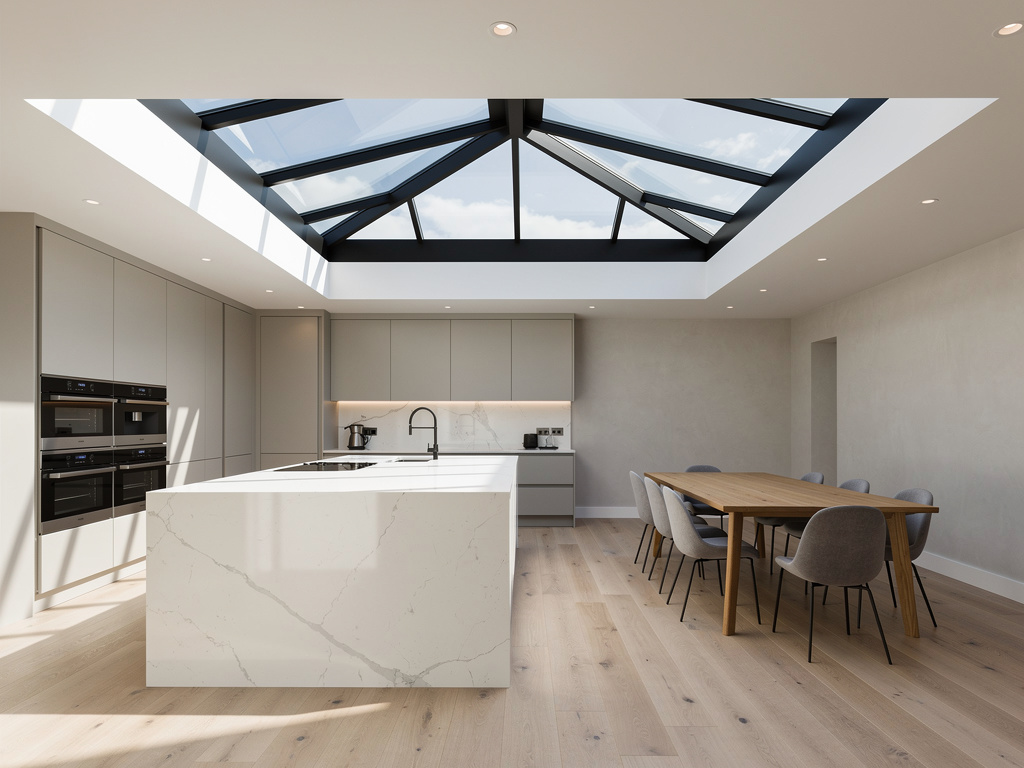
Glass Roofs and Lanterns: Transform Your Home With Natural Light
There is something almost magical about natural light pouring through a glass roof. Whether you are extending your kitchen, creating a garden room, or breathing new life into a Victorian conservatory, a glass roof or roof lantern can fundamentally change how a space feels — making it brighter, larger, and more connected to the world outside. In the UK, where overcast skies are a fact of life for much of the year, making the most of every ray of daylight is not just a design preference; it is a practical necessity.
What Is a Glass Roof Lantern?
A roof lantern is a glazed structure that sits above a flat or low-pitched roof, projecting upwards to allow light to enter from above. Think of it as a raised skylight with multiple glass panels set within a decorative aluminium or timber frame. Unlike a traditional flat rooflight, a lantern has height and architectural presence — it becomes a feature in its own right rather than simply a hole in the ceiling.
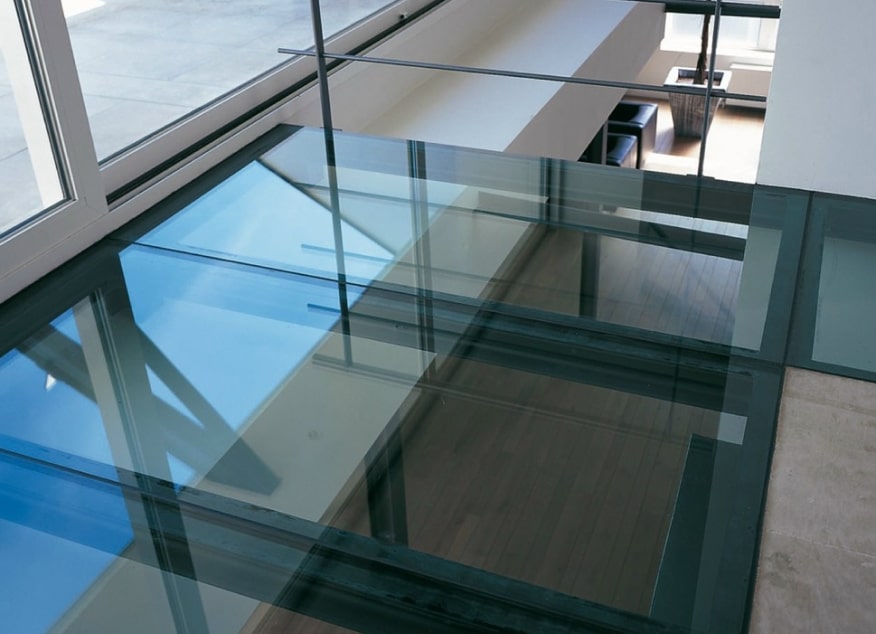
Glass roofs, more broadly, include flat rooflights, pitched glazed roof systems, and full glass canopies. They are installed across a wide range of domestic and commercial settings, from single-storey kitchen extensions to restaurants and hotel atriums. The common thread is the desire to bring the outside in, using glass as the primary building material overhead.
Types of Glass Roof Structures
Choosing the right type of glass roof depends on the architecture of your property, your budget, and the effect you want to achieve. Here are the most common options available to UK homeowners:
- Roof lanterns: Ideal for flat-roofed extensions and orangeries. They add height and drama to a room, and their ridge-and-hip design creates a distinctive silhouette both inside and out.
- Flat rooflights: A sleek, contemporary option that sits flush with or just above the roof surface. They work exceptionally well in modern extensions where a clean, minimal aesthetic is the priority.
- Pitched glass roofs: A full glazed roof with a traditional pitch, often used in conservatories and garden rooms. Modern thermally broken aluminium systems have made these far more energy efficient than older designs.
- Glass canopies: Typically used to shelter entrances or outdoor living areas, glass canopies allow light through while keeping rain out — a practical choice for UK conditions.
The Benefits of Installing a Glass Roof or Lantern
The most obvious benefit is the light. A well-positioned glass roof can transform a previously dark or uninviting room into a space that genuinely uplifts the mood. Research consistently shows that access to natural light improves wellbeing, productivity, and sleep quality — so this is far more than an aesthetic upgrade.
Beyond light, glass roofs offer several practical advantages:
- Extended living space: A glass-roofed extension or orangery gives you a room that feels connected to the garden year-round, without the cold and draughts that older conservatories were notorious for.
- Increased property value: Quality glazing additions are consistently rated among the home improvements most likely to increase a property’s sale value. A well-designed roof lantern signals craftsmanship and care to potential buyers.
- Natural ventilation: Many roof lanterns and rooflights are available with opening vents, providing natural airflow that helps regulate temperature and air quality during warmer months.
- Architectural character: In both period and contemporary properties, a glass roof adds an element of considered design that is immediately noticeable and greatly appreciated.
Choosing the Right Glass Specification
Not all glass is the same, and for overhead applications in particular, the specification matters enormously. Here is what to consider when planning your glass roof or lantern:
Thermal performance: Modern roof glazing should use double or triple-glazed units with low-emissivity (low-E) coatings to minimise heat loss in winter. For any UK installation, look for a whole-unit U-value of 1.0 W/m²K or better to meet current building regulations.
Solar control: In south-facing installations, solar gain can be a real problem during summer months. Solar control glass — which uses a special coating to reflect a proportion of solar radiation — keeps rooms comfortable without blocking the view or significantly reducing light levels.
Safety glazing: Overhead glazing must always use laminated glass, which holds together if it breaks rather than showering fragments downwards. In most domestic situations, laminated safety glass is required as a minimum on the inner pane, with toughened glass on the outer pane.
Self-cleaning glass: For roofs that are difficult to access for regular cleaning, self-cleaning glass is a worthwhile investment. A photocatalytic coating breaks down organic dirt in UV light, and rainwater then washes it away — keeping your glass clear with minimal maintenance effort.
Planning Permission and Building Regulations
Many glass roof additions in England and Wales fall within permitted development rights, meaning you do not need to apply for full planning permission. However, there are limits on the size and position of the structure relative to your property, and different rules apply in conservation areas, listed buildings, and flats.
As a general guide, a single-storey rear extension with a glass roof can typically be built under permitted development if it does not exceed four metres in height and covers no more than half the area of the original garden. That said, rules vary and change over time — it is always worth checking with your local planning authority or seeking advice from a qualified glazing specialist before committing to a design.
Building regulations, on the other hand, almost always apply. Any new glazed roof structure will need to meet current standards for thermal performance, structural integrity, and safety glazing. A reputable installer will manage this process as part of the overall project.
Making the Right Choice for Your Property
A glass roof or lantern is a significant investment, and getting it right requires careful thought about both the product and the installer. Look for a company with specific experience in overhead glazing — the technical demands are different from vertical windows and doors, and the consequences of poor installation, including leaks, condensation, and structural issues, are considerably more serious.
At MyColourGlass, we work with homeowners and contractors across the UK to design and supply glazing solutions that are built to perform and built to last. Whether you are planning a new extension, upgrading an existing conservatory roof, or adding a roof lantern to an orangery, our team can advise on the right glass specification and frame system for your project.
Natural light is one of the most valuable things you can bring into a home. With the right glass roof, you can enjoy it every single day of the year — whatever the British weather has in store.