






Glass & glazing Blog
Let the Light In: A Complete Guide to Skylights and Roof Glazing for UK Homes
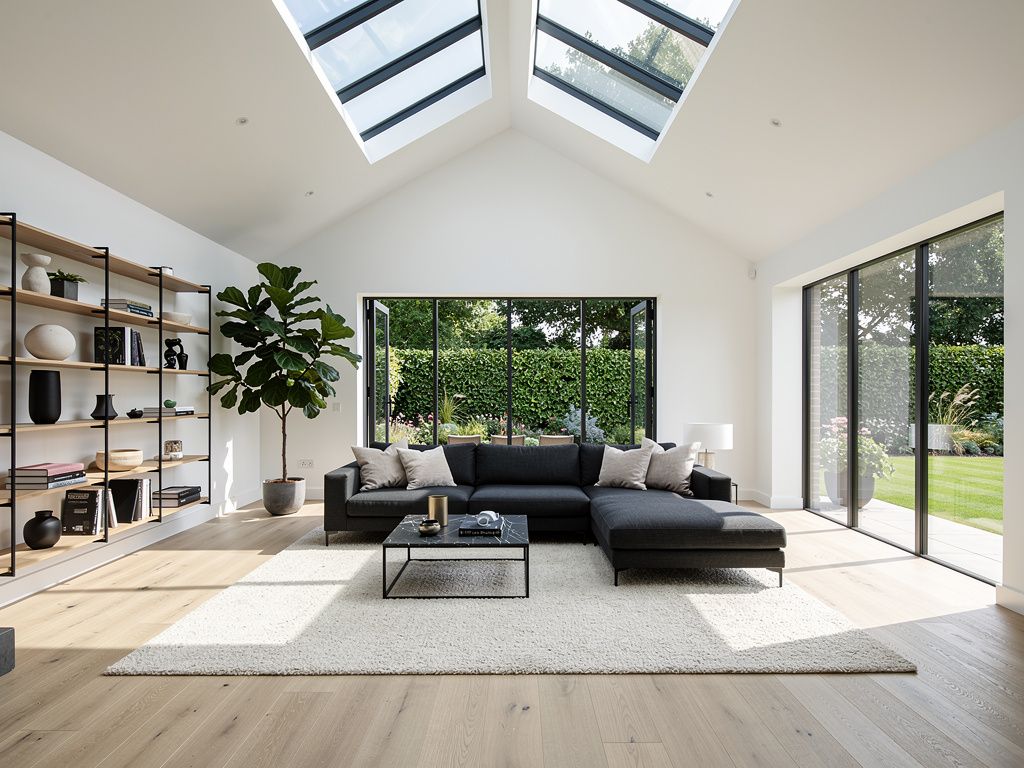
There is something almost magical about a room flooded with natural light from above. Whether you are extending a Victorian terrace, building a contemporary open-plan kitchen, or simply trying to bring life to a gloomy hallway, roof glazing offers one of the most dramatic transformations available to UK homeowners. From elegant roof lanterns to sleek flat rooflights and practical sun tunnels, today’s overhead glazing options are more varied, more energy-efficient, and more beautiful than ever before.
Why Roof Glazing Is Transforming UK Homes
In a country not exactly renowned for its sunshine, making the most of every available ray of natural light is not merely a design preference — it is a practical necessity. Studies consistently show that natural light improves mood, boosts productivity, and makes spaces feel larger and more inviting. For architects, self-builders, and homeowners undertaking kitchen or rear extensions, overhead glazing has become a defining feature of modern British interiors.
The rise of glass roof extensions UK-wide reflects a broader shift in how we think about living spaces. Where once a flat-roofed extension might have featured a solid covering, today’s homeowners increasingly opt for roof lanterns, structural glazing, or large-format rooflights to blur the boundary between indoors and out. Planning permission rules have also evolved: many fixed rooflights now fall under permitted development, making them a relatively straightforward upgrade even for terraced and semi-detached properties.
Beyond aesthetics, good roof glazing can meaningfully reduce reliance on artificial lighting during daylight hours, lowering energy bills and contributing to a home’s overall sustainability credentials — an increasingly important consideration for buyers, lenders, and planning authorities alike.
Types of Roof Glazing: From Roof Lanterns to Flat Rooflights
Understanding the full range of roof glazing products available will help you choose the right solution for your project. Each type has distinct advantages depending on the architectural context, budget, and the amount of light you want to introduce.
Roof lanterns are perhaps the most striking option. Traditionally associated with Victorian and Edwardian orangeries, the modern roof lantern is a clean-lined structural glazing unit that sits proud of the roof surface, creating an almost greenhouse-like cupola of light. Contemporary aluminium-framed roof lanterns use thermally broken profiles and high-performance double or triple glazing to deliver excellent thermal efficiency — a world away from the draughty timber originals. Roof lantern glazing UK suppliers now offer bespoke sizing to suit any extension footprint, and the slim sightlines of modern aluminium keep the visual impact firmly on the glass itself rather than the frame.
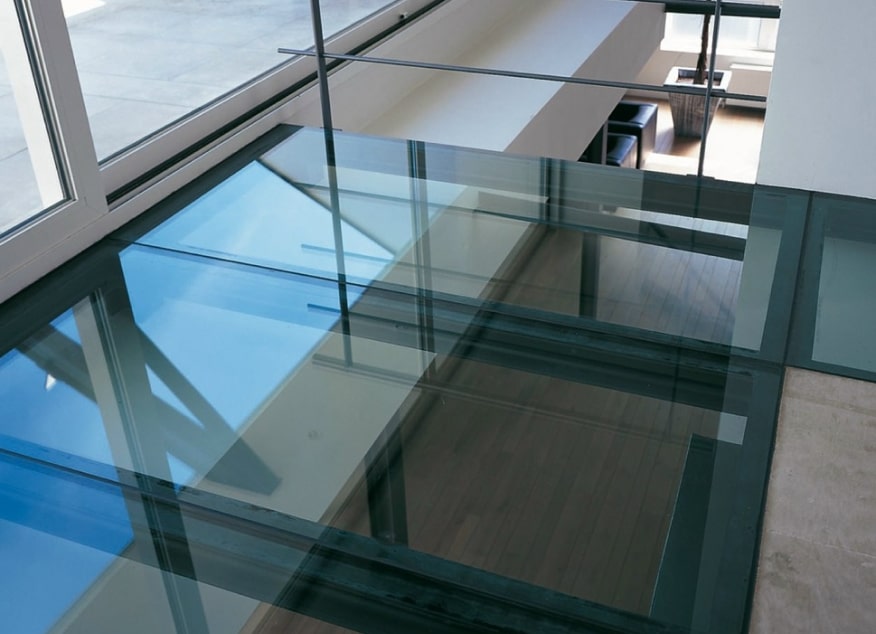
Flat rooflights offer a sleeker, more architectural alternative. Sitting virtually flush with the roof surface, a well-specified flat rooflight — particularly a walk-on or ultra-slim frameless variant — can be almost invisible from the street while flooding the room below with light. Flat rooflights installation is generally straightforward on new-build extensions and flat-roofed additions, and they can be specified as fixed, manually opening, or electrically operated with rain sensors for convenience.
Sun tunnels (sometimes called solar tubes or tubular skylights) provide a cost-effective solution for bringing natural light into rooms where a traditional rooflight is impractical — think internal bathrooms, landings, or cloakrooms. A reflective tube channels daylight from a small dome on the roof down into the space below, where a diffuser spreads it evenly. Sun tunnels for dark rooms can make a genuinely remarkable difference in spaces that would otherwise require artificial lighting around the clock.
Overhead glazing and structural glass roofs represent the premium end of the market, typically used in full glass box extensions, covered courtyards, or link structures between buildings. These systems use toughened and laminated safety glass supported by minimal structural members to create an almost wholly transparent roof plane — a spectacular effect that demands careful engineering and high-quality glazing.
Planning, Building Regulations, and Installation Considerations
Before committing to any roof glazing project, it is worth understanding the regulatory landscape. Many fixed, non-opening rooflights fall within permitted development rights for dwellings in England and Wales, provided they do not project significantly above the roof plane and certain other conditions are met. Roof lanterns on extensions, however, may require planning consent, particularly in conservation areas or on listed buildings — always check with your local planning authority before ordering.
Building regulations approval is a separate matter and will almost certainly apply. The key areas of concern are structural integrity (particularly load-bearing on larger lanterns), weatherproofing and waterproofing at the upstand and kerb, and the thermal performance of the glazing unit itself. Current Part L requirements set minimum standards for heat loss through roof glazing: look for a U-value of 1.6 W/m²K or better as a baseline, and consider upgrading to triple glazing in exposed or north-facing locations.
The choice of installer matters enormously for overhead glazing. Because water finds the path of least resistance, any weakness in the upstand, flashing, or kerb detail will eventually manifest as a leak — sometimes months or years after installation. Specifying a FENSA or Certass-registered glazing specialist and insisting on a documented installation guarantee is strongly advisable.
Choosing the Right Glass for Your Roof Glazing Project
All roof glazing must, by law, use safety glass — either toughened (tempered) or laminated glass, or a combination of both. For overhead applications, laminated glass is generally preferred for the inner pane, as it holds together if broken rather than falling as shards. Solar control coatings are well worth specifying for south-facing installations: a blue or neutral solar control coating can significantly reduce unwanted summer heat gain while still admitting ample light.
Self-cleaning glass coatings are another sensible upgrade for roof glazing, where manual cleaning is often impractical. A titanium dioxide coating breaks down organic deposits when activated by UV light, and rain then washes the loosened dirt away — keeping the glass clearer for longer with minimal maintenance. For privacy applications, acid-etched or satin glass can be specified, and some manufacturers offer electronically switchable smart glass that transitions from clear to opaque at the touch of a button.
Whether you are drawn to the grandeur of a multi-panel roof lantern, the minimalism of flush flat rooflights, or the practicality of sun tunnels, the key is to specify quality glazing that will perform reliably for decades. Cutting corners on U-values, frame profiles, or safety glass specifications is a false economy that often leads to costly remedial work further down the line.
At MyColourGlass, we specialise in bespoke roof glazing solutions for UK homeowners, self-builders, architects, and interior designers. From advising on the right product for your project to precision cutting and finishing of your glass panels, our team brings decades of experience to every enquiry. Visit mycolourglass.co.uk to explore our full range of roof glazing options or to request a quote — we would be delighted to help you bring more light into your home.