






Glass & glazing Blog
The Complete Guide to Glass Mirrors for UK Homes: Frameless, Bathroom and Decorative Feature Mirrors
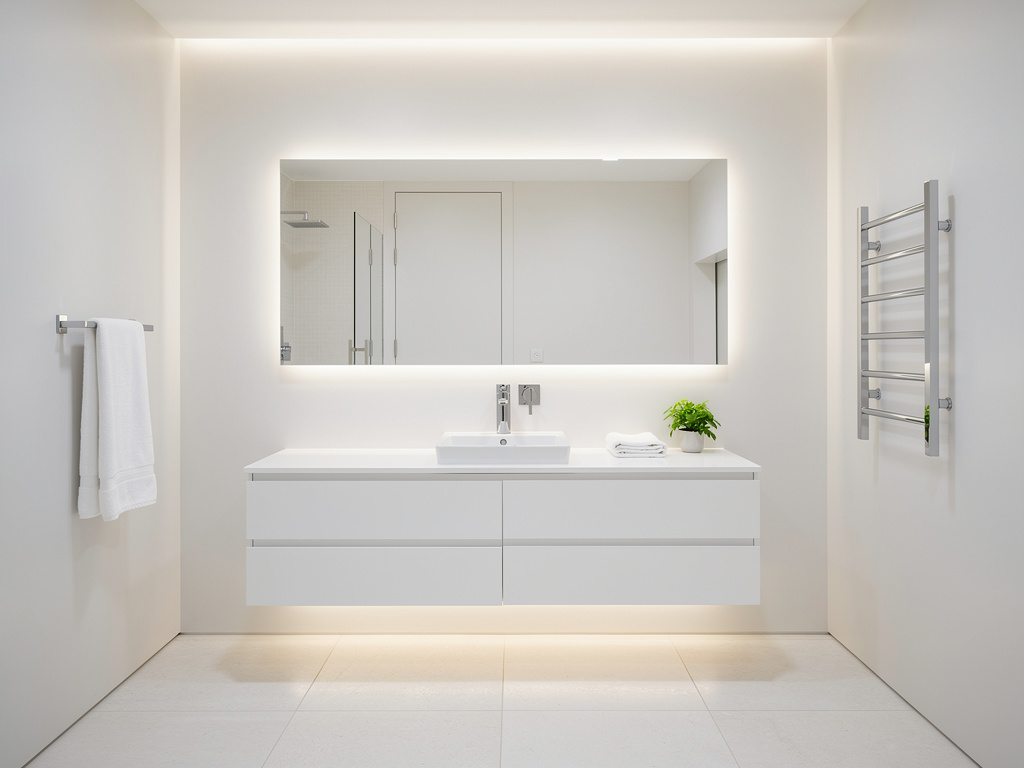
The Complete Guide to Glass Mirrors for UK Homes: Frameless, Bathroom & Decorative Feature Mirrors
A well-chosen mirror can transform a room — bouncing light into dark corners, making compact spaces feel twice their size, and adding a touch of understated elegance that few other design elements can match. Whether you are renovating a bathroom, refreshing a hallway, or planning a dramatic living room feature wall, the right glass mirror makes all the difference. This guide walks you through everything UK homeowners, self-builders, and interior designers need to know about selecting, sizing, and installing mirrors — from sleek frameless designs to bespoke decorative pieces.
Why Frameless Mirrors Are the Designer’s Choice
Frameless mirrors have become the go-to option for contemporary UK interiors, and it is easy to see why. Without the visual interruption of a frame, the eye travels straight to the reflection — which makes rooms appear larger and light flow more freely. A well-cut frameless bathroom mirror UK homeowners choose typically features polished, bevelled, or flat-ground edges that are both safe and visually refined.
The versatility of frameless glazing means these mirrors slot effortlessly into any aesthetic, from the stark minimalism of a Scandi-inspired bathroom to the warm, layered tones of a transitional kitchen diner. Bespoke sizing is another key advantage: because there is no frame to accommodate, a glazing specialist can cut a frameless mirror to almost any dimension, meaning you are not limited to the standard rectangles you find in high-street retailers.
When specifying a frameless mirror, pay attention to the glass thickness. For mirrors wider than 800 mm, a minimum of 6 mm float glass is recommended for rigidity and safety. Premium options use low-iron glass — sometimes called ultra-clear or diamante glass — which eliminates the slight green tint present in standard float, delivering a crisp, true-colour reflection that is noticeably superior in well-lit rooms.
Bathroom Mirrors: Balancing Function and Style
The bathroom is where mirrors earn their keep on a daily basis, so getting the specification right matters enormously. Moisture, steam, and fluctuating temperatures place specific demands on glass and any backing treatment. Quality bathroom mirror glass is treated with a copper-free, moisture-resistant backing that prevents the black-edge deterioration — known as foxing — that plagues cheaper mirrors within a few years of installation.
Size is often underestimated in bathroom planning. A common mistake is choosing a mirror that is too small relative to the basin or vanity unit beneath it. As a general rule, the mirror should be no narrower than the basin, and ideally extend close to ceiling height to maximise light reflection and create the illusion of a taller, airier space. Bespoke bathroom mirror glass installation allows you to specify exactly the dimensions your layout demands, rather than compromising with off-the-shelf sizes.
For en-suite bathrooms and wetrooms where steam is particularly heavy, consider a demister pad fitted behind the mirror. These discreet heating elements keep the mirror surface clear during and after showering without any visible wiring on the face. Paired with integrated LED lighting — either a backlit glow around the perimeter or a built-in illuminated strip — a bathroom mirror becomes a practical and atmospheric focal point rather than a simple utility item.
Decorative Feature Mirrors and Mirror Walls
Beyond bathrooms and hallways, decorative feature mirrors are enjoying a resurggence in living rooms, dining rooms, and even home offices as homeowners look for ways to add depth and drama without structural changes. A large decorative mirror positioned opposite a window amplifies natural light dramatically — an especially valuable effect in north-facing UK rooms where daylight can be scarce for much of the year.
Mirror walls — panels of glass covering an entire wall or a significant section of one — were once associated purely with gyms and dance studios, but contemporary installations in residential settings are far more sophisticated. Using frameless glass panels with minimal or invisible fixings, a mirror wall in a reception room or open-plan kitchen-diner creates an almost architectural effect, effectively doubling the perceived volume of the space.
For those seeking something more characterful, antiqued or smoked mirror glass offers a softer, more atmospheric alternative to standard clear mirror. The aged patina of antiqued mirror works particularly well in period properties, adding warmth and depth without the visual sharpness of a conventional mirror. Smoked glass, available in grey, bronze, or charcoal tones, suits modern interiors where a subtler reflection ismore appropriate than a perfectly crisp one.
When planning a decorative feature mirror installation, consider the fixing method carefully. Large glass panels require specialist mirror adhesive combined with discreet mechanical fixings — relying on adhesive alone is not recommended for pieces over a certain weight. A professional glazing installer will assess the substrate (plasterboard, brick, or tile) and specify the correct combination of fixings to ensure the installation is both safe and invisible from the front.
Choosing the Right Mirror for Your Space: Practical Tips
With so many options available, narrowing down your choice becomes easier when you work through a few key questions. First, consider the primary purpose: is the mirror mainly functional, mainly decorative, or both? Functional mirrors — in bathrooms, cloakrooms, and hallways — should prioritise moisture resistance, appropriate size, and practical lighting. Decorative mirrors can prioritise form, finish, and visual impact.
Second, think about edge treatment. Polished edges catch the light subtly and feel premium to the touch. Bevelled edges add a classic, refractive quality that suits traditional interiors. Flat or pencil-ground edges are the most understated and work well in modern spaces where the mirror is the feature, not its edgework.
Third, assess the wall construction before ordering. Solid masonry walls accept most fixing methods with ease, but dot-and-dab plasterboard — common in UK new builds — requires careful location of noggings or the use of specialist cavity fixings rated for the weight of the glass. A glazing specialist will advise on this as part of the survey process.
Finally, always request a sample of the glass before committing to a full-size piece. Seeing how the mirror performs in your actual room, under your specific lighting conditions, is the only reliable way to confirm that the reflection quality, edge finish, and any tinting meet your expectations.
At mycolourglass.co.uk, we supply and install bespoke frameless mirrors, bathroom mirror glass, and decorative feature mirrors across the UK. Every piece is cut and finished to your exact specification by our experienced glazing team — so whether you need a single cloakroom mirror or a full living room mirror wall, we can help you achieve the result you have in mind. Get in touch today for a free quote.