






Uncategorised
Frameless Shower Screens: A Complete Guide for UK Homeowners
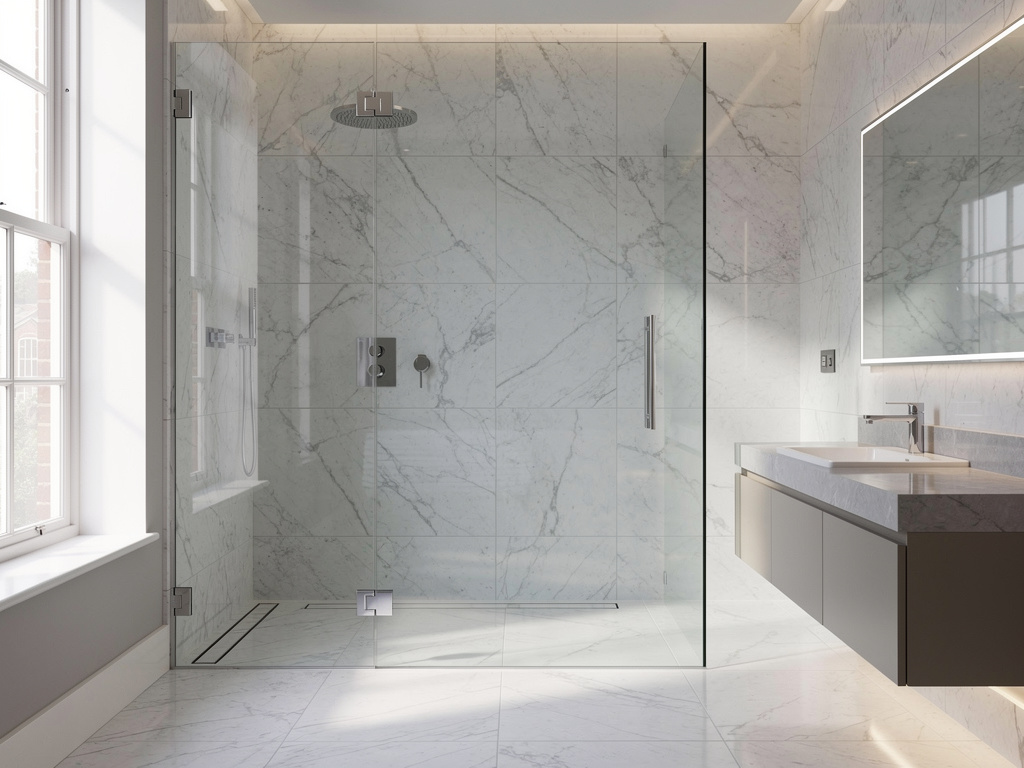
Frameless Shower Screens: A Complete Guide for UK Homeowners
If you’re planning a bathroom renovation or simply looking to refresh the look of your existing space, a frameless shower screen could be the single most impactful upgrade you make. Sleek, hygienic, and enduringly stylish, frameless glass shower enclosures have become one of the most sought-after features in UK bathrooms — and it’s not hard to see why. This guide walks you through everything you need to know, from the different styles available to installation considerations and how to care for your glass once it’s in place.
Why Choose a Frameless Shower Screen?
Traditional framed shower enclosures have their place, but frameless shower screens offer something different: a sense of openness and luxury that transforms even a modest bathroom into something that feels considered and premium. Without bulky aluminium frames and plastic channels, the glass becomes the feature — and toughened safety glass panels up to 10 mm thick are as robust as they are beautiful.
There are several practical reasons UK homeowners are choosing frameless shower screens over framed alternatives. First, there are fewer places for limescale and mould to accumulate. The absence of frames, tracks, and rubberised seals means cleaning is significantly easier — a squeegee and a spray of glass cleaner is usually all that’s required. Second, the visual lightness of frameless glazing makes smaller bathrooms feel considerably larger, which is a particular benefit in UK homes where en-suites and shower rooms are often compact. Third, quality frameless shower screens UK suppliers provide will typically last far longer than framed units, since there’s no frame to corrode, warp, or discolour over time.
Types of Frameless Shower Screens Available
The term “frameless shower screen” covers a broad family of products, and understanding the differences will help you choose the right configuration for your bathroom layout and lifestyle.
Walk-in shower screens are arguably the most popular choice in contemporary UK bathroom design. They consist of one or two fixed glass panels — sometimes with a small return panel at the side — that partially enclose the shower area without a door. Water is contained by the layout of the space and the angle of the showerhead rather than by a sealed enclosure. Walk-in screens suit larger shower areas and work particularly well with wet rooms and level-access shower trays.
Frameless pivot door enclosures provide a more enclosed shower experience while retaining the clean aesthetic of minimal framing. The door is supported by top and bottom pivot hinges, creating a wide, unobstructed opening. These are well suited to standard alcove shower positions and bathrooms where a fully sealed enclosure is preferred.
Bi-fold frameless shower doors fold inward or outward, making them an excellent option for bathrooms where swing clearance is limited. Despite the folding mechanism, high-quality bi-fold screens use minimal hardware and maintain a very clean appearance.
Curved and bespoke configurations are available from specialist glaziers for bathrooms with unusual layouts. If your shower area is an unusual shape or you want glass cut to fit a specific architectural feature, a bespoke frameless shower screen UK specialist will be able to help you design and manufacture something entirely tailored to your space.
Glass Thickness, Safety, and Specification
All shower screens supplied for residential use in the UK must be made from toughened safety glass that complies with BS EN 12150-1. When glass of this specification breaks — which is rare under normal use — it fractures into small, rounded granules rather than sharp shards, significantly reducing the risk of injury. Most quality frameless shower enclosures use 8 mm or 10 mm toughened glass; the thicker the panel, the greater the rigidity and the more premium the overall feel.
Many frameless shower screens also come with a factory-applied protective coating on the glass surface. These hydrophobic coatings cause water to bead and run off rather than spread across the surface, dramatically reducing limescale build-up and making routine cleaning much quicker. If you’re comparing products, it’s worth asking your supplier whether a protective coating is included or available as an upgrade.
Hinges, brackets, and fixings should be made from grade 316 marine stainless steel or equivalent corrosion-resistant material. Chrome-plated fittings may look attractive initially but are vulnerable to corrosion over time in the warm, humid environment of a bathroom. Brushed stainless or brushed nickel finishes are durable, easy to keep clean, and complement both modern and transitional bathroom aesthetics.
Installation Considerations
Frameless glass shower screen installation is a job for experienced glaziers or bathroom fitters who have worked with structural glass before. The panels are heavy — a single 10 mm glass panel can weigh 25 kg or more — and the fixing points must be precisely located to ensure the screen is plumb, level, and structurally sound. Walls need to be strong enough to support the fixing loads; if you have stud partition walls, additional noggins or a backing board may be required before the glass can be fitted.
If you’re having a wet room or level-access shower installed at the same time, the order of works matters. Waterproofing membranes and tanking should be applied to walls and the floor before any glass is fitted. The shower screen is typically one of the last elements to go in before sealant is applied around the base.
Silicone sealant forms the watertight joint between the glass panel and adjacent walls or the shower tray. Choose a mould-resistant, sanitary-grade silicone and have it applied neatly; a clean silicone finish significantly affects the overall appearance of the completed installation. Most specialist glaziers will apply the sealant as part of their fitting service.
Keeping Your Frameless Shower Screen Looking Its Best
The great news is that frameless shower screens are among the easiest bathroom features to maintain. After each shower, running a squeegee down the glass takes around 30 seconds and prevents the majority of limescale and soap residue from building up. For a weekly clean, a proprietary glass cleaner or a diluted white vinegar solution will dissolve any mineral deposits without scratching the surface. Avoid abrasive pads, scouring powders, and bleach-based sprays, which can damage protective coatings and dull the glass surface over time.
The silicone seals at the base and edges of the screen should be inspected periodically. If you notice any discolouration, shrinkage, or cracking, it’s worth having the sealant replaced sooner rather than later to prevent water ingress behind your walls.
Ready to Transform Your Bathroom?
Whether you’re drawn to the effortless elegance of a walk-in frameless screen, the practicality of a pivot door enclosure, or a fully bespoke glazing solution designed around your unique space, the right frameless shower screen will elevate your bathroom for years to come. At mycolourglass.co.uk, we specialise in high-quality glass products for UK homes, with expert advice and professional supply and installation. Get in touch with our team today to discuss your project and receive a free, no-obligation quote.